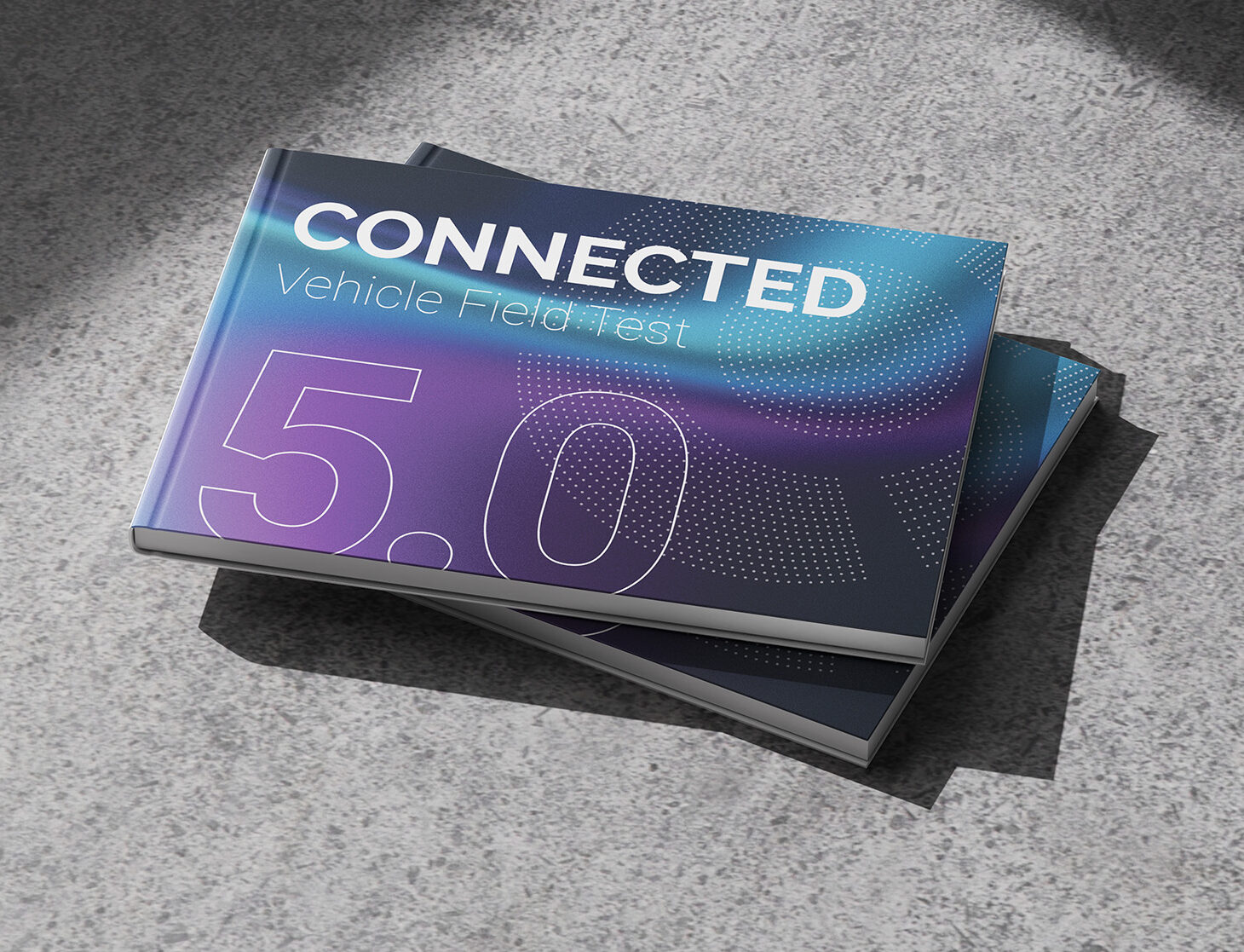
Connected Vehicle Field Test 5.0: What the EU Data Act really delivers
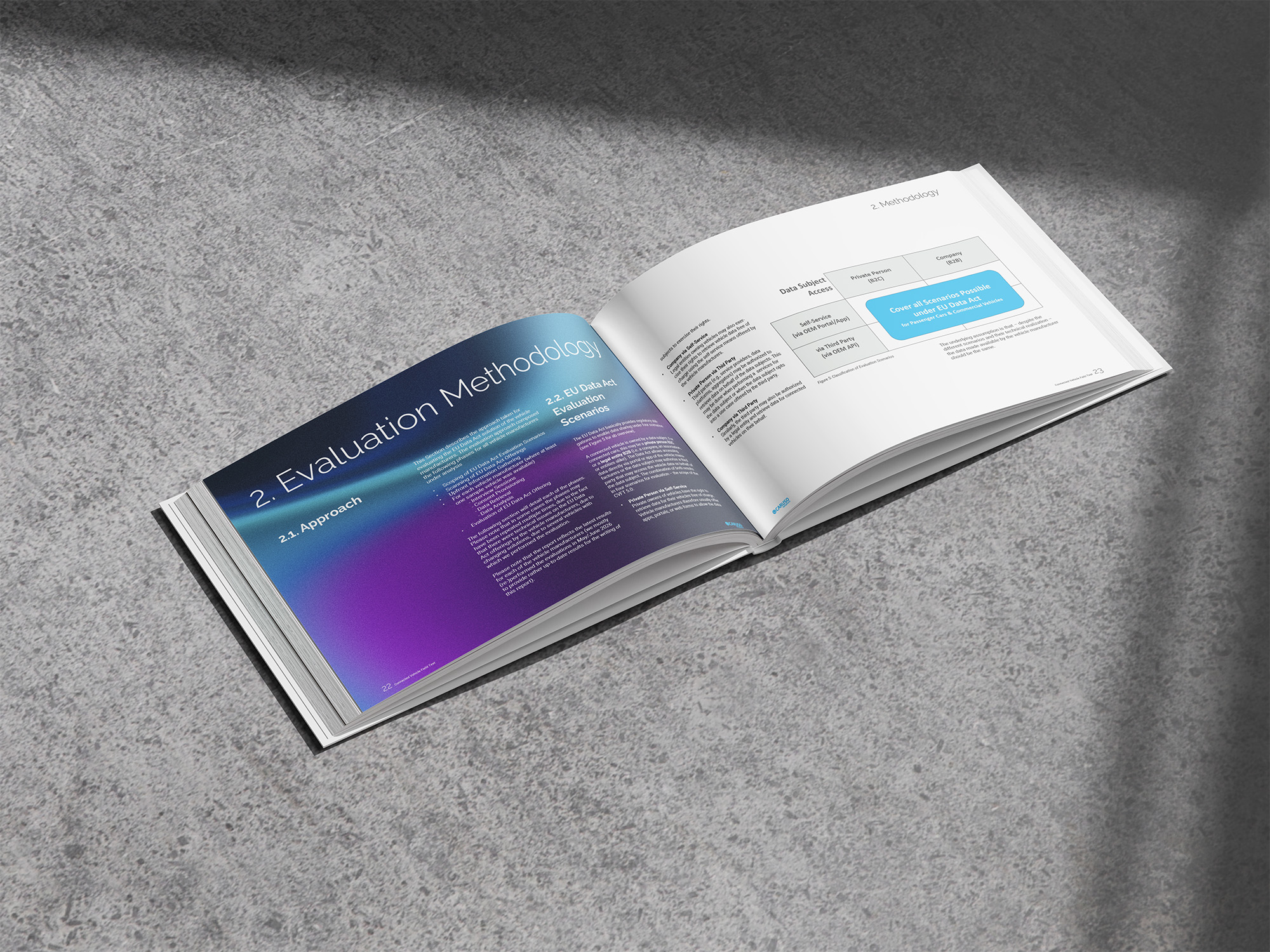
From September 2025 to July 2026, CARUSO systematically evaluated the EU Data Act solutions of all major vehicle manufacturers. The report is available free of charge.
The CVFT was supported by ten leading European industry associations and their members, underlining the industry-wide significance of the EU Data Act and the need for transparency and consistency in its implementation.
The EU Data Act became applicable on September 12, 2025.
It is a horizontal regulation to foster the use of machine-generated data, including data generated in vehicles while driving. It gives users the right to share their data with any party of their choice and obliges data holders such as vehicle manufacturers to grant access to that data. For connected cars, this is a fundamental shift: for the first time, vehicle owners have the legal right to access their car’s data and share it with third-party service providers.
"The EU Data Act has the potential to become a game changer for the mobility sector if, and only if, all vehicle manufacturers comply with the EU Data Act by commercially and technically adequate means. However, our evaluation showed that there are still major gaps to be closed before third-party service providers can scale their use cases."
Short glimpse of what we found
Highly heterogeneous implementation
Some vehicle manufacturers complied in September 2025, others followed months later, and some still offer no way for drivers to share their data.
No common data set across brands
Available data points differ substantially between manufacturers. Without a common set of data items, use cases cannot be rolled out across all brands.
Data sharing is hard for end users
Owners deal with apps, portals, forms and even emails. For non-digital natives, granting third-party access is often neither simple nor intuitive, and the resulting drop-off keeps business cases from scaling.
Different delivery, quality and pricing
Many manufacturers still rely on web forms, email or downloadable files instead of APIs or streaming.
Even one year after the Data Act became applicable, there is not yet an attractive business environment for multi-brand services based on connected car data.
117 brands scanned: every passenger car and LCV manufacturer with more than 10,000 vehicles in operation in Europe
28 manufacturers and groups evaluated in depth
4 scenarios: private owners and companies, each via the manufacturer’s self-service or via an authorized third party
15 reference use cases checked
Connected Vehicle Field Test 5.0_CVFT 5.0
Connected Vehicle Field Test 5.0_CVFT 5.0
Connected Vehicle Field Test 5.0_CVFT 5.0
Connected Vehicle Field Test 5.0_CVFT 5.0
Workshop with our Experts
Can your use case actually run on EU Data Act data?
We spent 10 months finding out across every major OEM, B2B and B2C, portals and APIs. The answer depends heavily on the brand.
WHY The report shows the market?
Your use case needs the details. Data scope, quality, delivery and pricing differ by manufacturer, so the right answer for your use case depends on the brands in your fleet or customer base.
WHAT EU Data Act Expert Workshop, at your office
Our field test team comes to you for a half-day session:
Field test results for the brands that matter to you
Your use cases mapped against the data items that are actually available
EU Data Act vs. ExVe vs. CARUSO access: technical and commercial differences
A concrete roadmap: what you can build now, and what still needs a workaround